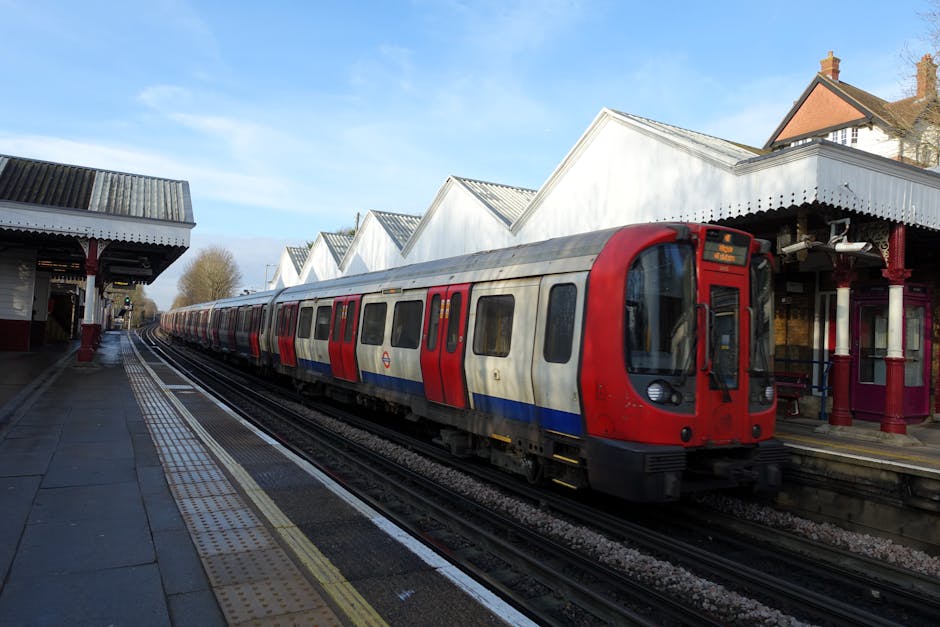
Shortlands station rubbish clearance tips for commuters
If you commute through Shortlands station, you already know how quickly a small bit of rubbish can turn into a proper nuisance. A coffee cup wedged in a tote bag, a damp takeaway container, a broken umbrella, yesterday's newspaper that's now just a soggy mess - it all builds up. The good news is that short, sensible rubbish clearance habits can make your journey cleaner, lighter, and far less stressful.
This guide to Shortlands station rubbish clearance tips for commuters is for anyone who wants a tidier daily routine without making their morning more complicated. You'll find practical steps, common mistakes to avoid, safe disposal advice, and a realistic look at when a simple bin stop is enough and when a proper waste service makes more sense. Let's face it: nobody wants to start the day juggling old packaging and bad smells.
Why Shortlands station rubbish clearance tips for commuters Matters
Station commuting has a habit of producing rubbish in small bursts. One day it's a sandwich wrapper, the next it's a busted umbrella or a stack of receipts and empty snack packets. None of it seems dramatic on its own, but together it creates clutter, smells, and a general sense that your bag has become a moving bin. Not ideal on a busy platform.
For commuters, tidy rubbish clearance matters for three simple reasons. First, it keeps your day more comfortable. Second, it helps you avoid carrying waste all the way home when you could deal with it earlier. Third, it reduces the chance of leaving litter behind by accident, which is easy to do when trains are delayed and everyone's hurrying. You know how it goes. A rushed platform decision, a wobbling takeaway lid, and suddenly the train door is closing.
There's also a wider practical point. If you regularly travel with packaging, old papers, or bulky bits you meant to throw away, your routine becomes heavier than it needs to be. A little planning makes commuting feel cleaner, calmer, and more organised. That sounds small, but on a wet Monday morning, small matters a lot.
How Shortlands station rubbish clearance tips for commuters Works
At a basic level, commuter rubbish clearance means separating what can be binned immediately from what should go home with you, and what needs a more responsible disposal route later. For most commuters, this is less about "clearance" in the dramatic sense and more about steady, sensible habits. Think of it as keeping your travel load under control.
In practice, the process is straightforward:
- Collect waste in one place while you travel, rather than scattering it through pockets and bags.
- Sort items by type: paper, food packaging, drinks containers, soft plastics, batteries, or anything sharp.
- Use station bins or your home bin only where appropriate.
- Set aside anything awkward, bulky, or potentially hazardous for separate disposal.
- For repeated or larger waste problems, arrange a proper clearance solution rather than trying to squeeze everything into household bins.
The key is consistency. A commuter who keeps a small reusable bag for rubbish, wipes down food containers before packing them away, and deals with small items at the right time will stay far ahead of the average "I'll sort it later" approach. Truth be told, later often means never.
If your waste is more than everyday snack packaging - for example, office clutter, old furniture, appliance waste, or items from a flat or home clear-out - then a dedicated service such as waste removal, office clearance, or home clearance may be the more practical route. That's especially true if you want a neat finish without multiple trips.
Key Benefits and Practical Advantages
Good rubbish clearance habits do more than make your bag lighter. They can improve your whole commute in a few noticeable ways.
- Less mess: A tidy system keeps crumbs, leaks, and loose packaging from spreading through your bag.
- Better hygiene: Food waste and used containers can smell fast, especially in warm weather or on longer journeys.
- Fewer distractions: When waste is sorted quickly, you spend less time hunting for bits of packaging or wiping your hands.
- Reduced stress: A clean bag feels oddly calming. Strange, but true.
- Safer carrying: Keeping sharp or fragile items separate lowers the chance of small injuries or spills.
- More responsible disposal: The right item goes to the right place, which is better for recycling and environmental performance.
There's also a practical savings angle. If you create less mixed waste at home or work, you can often manage more efficiently and avoid unnecessary disposal jobs. For bigger clean-ups, it can help to compare options via pricing and quotes before deciding how to proceed.
Expert summary: The best commuter rubbish routine is simple, repeatable, and realistic. Keep waste contained, separate anything awkward, and deal with small items immediately rather than letting them become a bigger job later.
Who This Is For and When It Makes Sense
This advice is useful for everyday commuters, but it becomes especially relevant if your journey regularly involves food, shopping bags, shared workspaces, or a long walk between home and station. If you're carrying rubbish from a lunch-on-the-go routine, you'll benefit from a smarter system almost immediately.
It also makes sense for people who:
- commute with takeaway coffee cups, snack wrappers, or meal containers;
- carry work papers, old receipts, packaging, or confidential documents;
- live in flats or shared housing where bin access is awkward;
- work near the station and need to dispose of everyday business waste properly;
- are dealing with a bigger clear-out and want to avoid clutter building up while they travel.
For example, someone commuting from Shortlands to central London may carry reusable lunch boxes on Monday, a parcel return on Tuesday, and old office papers on Friday. That does not sound dramatic, but over time it adds up. If your waste is mostly light and dry, a pocket-sized system may be enough. If it becomes mixed, bulky, or frequent, a service such as business waste removal or flat clearance can be more efficient.
Step-by-Step Guidance
Here's a straightforward way to handle rubbish during a commute without making it a bigger project than it needs to be.
1. Start with a small waste kit
Keep one sealable bag, pouch, or reusable container in your backpack or tote. It does not need to be fancy. It just needs to hold wrappers, tissues, and other small items so they don't drift around your bag like tiny confetti. A spare carrier bag can work, but a sealable pouch is better for smells.
2. Separate food waste from dry waste
Wet food waste, used napkins, and drink residue belong in a separate section if possible. Dry waste like receipts, paper cups, and cardboard sleeves is easier to manage and less likely to smell. If you mix them all together, you create a grim little soup. Nobody wants that.
3. Decide what can go in a station bin and what cannot
Light, everyday litter can often go in a bin when one is available. But bulky items, sharp objects, batteries, broken electronics, and items with food residue need more thought. If in doubt, don't force it into the nearest bin. That's how mess spreads.
4. Carry any awkward items home safely
If you have something that shouldn't be left at the station, wrap it securely, keep it upright if needed, and take it home for the right disposal route. For a broken mug, a loose cable, or a small appliance, that is usually the calmest option. For larger items, consider specialist help, especially where fridge and appliance removal or mattress and sofa disposal may be more appropriate.
5. Plan a weekly reset
Once a week, empty your commuter bag and sort everything properly. This is the part most people skip. Don't. A five-minute reset prevents random rubbish from becoming a permanent feature of your routine.
6. Escalate to a proper clearance service when needed
If the rubbish is no longer "commuter rubbish" but rather leftover clutter, office waste, or household items, it's time to stop improvising. Services such as house clearance, loft clearance, or furniture disposal can save you multiple awkward trips. Not glamorous, but very practical.
Expert Tips for Better Results
A few small habits make a surprisingly big difference. In our experience, the best commuter systems are the ones that almost run themselves.
- Use two compartments: one for dry waste, one for anything damp or messy.
- Keep a spare carrier: useful for days when you buy lunch, pick up a parcel, or get caught in a rain shower.
- Flatten packaging before storing it: crushed cartons and folded wrappers take up less space.
- Rinse if you can: a quick rinse of food containers at work or home makes the bag less unpleasant later.
- Do not overfill your commuter bag: if rubbish starts competing with your laptop, it's time to clear out sooner.
- Check what you're carrying before boarding: especially after shopping or a long day out. Half the battle is catching things early.
Here's a tiny but useful tip: keep a lightweight reusable tissue pack and a small zip bag together in winter. Cold weather, wet platforms, and half-melted snack wrappers are not a lovely combination, and the whole thing can get messy fast.
If you're dealing with recurring waste from work, it can also help to look at confidential shredding for sensitive paperwork and office clearance if the clutter is growing beyond personal commuter waste.
Common Mistakes to Avoid
Most commuter rubbish problems come from a few predictable habits. The good news is that they're easy to fix.
- Leaving food waste loose in your bag: it creates smells, staining, and sometimes insects. Yes, really.
- Treating every bin the same: not everything belongs in the nearest station bin.
- Ignoring bulky waste: one broken item can sit in your hallway or bag for days if you keep delaying.
- Mixing recyclables with wet food waste: this can make recycling less effective and more difficult to handle.
- Waiting until your bag is full: that's usually too late. By then, the problem has already become annoying.
- Trying to hide sharps or heavy items in general waste: safety matters, for you and for the people handling it later.
Another common one: assuming "it's only a little bit" so it doesn't matter. To be fair, little bits are exactly how clutter starts. A crumpled receipt here, a wrapper there, and suddenly your bag feels like it has a personality of its own.
Tools, Resources and Recommendations
You do not need specialist gear to manage commuter waste well, but a few basic tools help a lot.
| Tool or resource | What it helps with | Best for |
|---|---|---|
| Sealable pouch or small dry bag | Containing wrappers and dry litter | Everyday commuting |
| Reusable carrier bag | Carrying awkward items home safely | Shopping and ad hoc waste |
| Separate zip bags | Isolating damp or smelly waste | Lunch commutes |
| Labelled work bin or desk caddy | Sorting office and paper waste | Hybrid office commuters |
| Professional clearance support | Removing bulk, mixed, or one-off clutter | When waste is too much for normal bins |
For more structured disposal needs, especially if the item is not commuter waste at all, you may also want to look at builders waste clearance for renovation debris or garage clearance for stored clutter that has quietly multiplied over the years. That happens more than people admit.
If you want to understand what can and cannot go into a skip, the page on what can go in a skip is a useful starting point. And if sustainability matters to you - which, increasingly, it does to most commuters - have a look at recycling and sustainability for a more responsible approach to disposal.
Law, Compliance, Standards, or Best Practice
For everyday commuter rubbish, the main rule is common sense: dispose of waste safely, don't litter, and don't place hazardous or restricted items into ordinary bins. If you're carrying waste from work, home, or a move, it's worth being a bit more careful because different items can need different handling.
In the UK, waste should generally be managed so it does not create a hazard, nuisance, or environmental problem. That means keeping waste contained, avoiding spills, and treating items like batteries, chemicals, sharps, and electrical goods with extra caution. If you are unsure about an item, it is better to separate it and seek the correct route than to guess. Guessing is how people end up with leaking bags and a bad morning.
For larger or more sensitive clearances, using a provider that explains its approach to safety and handling is wise. Pages such as health and safety policy, insurance and safety, and hazardous waste disposal help set expectations around safer waste handling. That is especially relevant if your "commuter rubbish" is really a mix of office, home, and occasional bulky items.
Best practice is simple: keep waste separated, move it safely, and use the right disposal route for the item type. Not all rubbish is equal, and treating it as if it were can cause problems later.
Options, Methods, and Comparison Table
Commuters usually have three practical ways to deal with rubbish. The right one depends on what you're carrying and how often it happens.
| Method | Best for | Pros | Limits |
|---|---|---|---|
| Station or public bin | Small, safe, everyday litter | Quick, simple, low effort | Not suitable for bulky or awkward items |
| Take it home for later disposal | Mixed waste, items needing sorting | Controlled, flexible, safe | Requires a clean storage system in your bag |
| Professional clearance service | Bulky, repeated, or mixed waste | Efficient, time-saving, tidy finish | May be unnecessary for tiny amounts |
There's no prize for doing the most complicated option. If your waste is tiny and harmless, keep it simple. If it is a pile of broken household items, office clutter, or items from a move, a proper clearance route is usually the calmest and smartest choice. That includes services such as flat clearance, furniture clearance, or house clearance.
Case Study or Real-World Example
Imagine a commuter who works near London Bridge but lives by Shortlands station. On Monday, they bring lunch in a reusable box and keep the wrapper and napkin in a small zip bag. On Wednesday, they bring home a broken umbrella from a rainy day, plus a couple of papers from the office. On Friday, they've got an old headset cable, a takeaway cup, and a parcel return label crumpled into the side pocket. Nothing huge. Just constant little bits.
By the end of the week, the difference between a tidy and untidy routine is obvious. The tidy routine means the bag is still usable, the items are sorted, and nothing smells. The untidy version means old coffee residue, crushed paper, and a mild mystery smell that appears sometime after 7 pm. Not fatal, but annoying in a very specific way.
Now change the scenario slightly. The same commuter is also helping clear out a spare room at home, and the "bits" suddenly include a bedside table, a mattress, and some office paperwork. At that point, the commuter routine is no longer enough. A combined plan using mattress and sofa disposal, furniture disposal, and possibly confidential shredding makes much more sense. That's the real-world lesson: the right disposal method changes as the waste changes.
Practical Checklist
Use this checklist to keep your commuter waste under control.
- Keep a small sealable bag or pouch in your everyday carry.
- Separate dry waste from wet waste.
- Empty food containers before storing them if possible.
- Do not leave loose litter in pockets or open compartments.
- Check what you're carrying before boarding the train.
- Carry awkward items home securely rather than forcing them into a bin.
- Reset your bag once a week.
- Use a professional clearance service if waste becomes bulky or repeated.
- Handle batteries, sharps, electrical items, and chemicals with extra care.
- Choose the right route for recycling, disposal, or clearance instead of guessing.
Quick takeaway: the smartest commuter rubbish system is small, tidy, and repeatable. If it takes more than a minute to manage, it probably needs a better method.
Conclusion
Shortlands station rubbish clearance tips for commuters are really about making daily life a little smoother. A good waste routine keeps your bag cleaner, your commute lighter, and your day less cluttered. That may sound modest, but modest wins matter. Especially on a crowded platform, with a train due in two minutes and a lukewarm coffee in your hand.
Start small: carry a sealable bag, separate dry and wet waste, and stop treating every bit of rubbish as an afterthought. If the problem is bigger than a few wrappers, don't wrestle with it on your own. Use the right clearance route, keep things safe, and let the job get properly finished.
Get a free quote today and see how much you can save.
And if you build a better system now, future-you will notice. Probably on a wet Tuesday, when your bag still feels tidy and life is somehow a bit easier.
Frequently Asked Questions
What is the easiest way to manage rubbish during a Shortlands commute?
The easiest approach is to keep a small sealable bag in your commuter bag and sort waste as you go. Dry waste can stay separate from anything damp or food-related, which keeps smells and mess down.
Can I just throw commuter rubbish in any station bin?
Only for small, safe items that are suitable for normal bin disposal. Bulky, sharp, wet, or potentially hazardous items should be taken home or handled through the correct disposal route.
What should I do with takeaway containers on the train?
If they're empty and dry, store them in a separate bag until you can recycle or bin them properly. If they're greasy or still food-covered, keep them isolated so they do not contaminate everything else.
How do I stop my work bag from smelling like rubbish?
Use a zip bag or sealable pouch for food waste, empty it regularly, and avoid mixing wet items with dry ones. A weekly bag reset helps more than people expect.
What counts as bulky waste for commuters?
Anything that is awkward to carry, difficult to bin safely, or too large for your normal bag needs a different plan. That might include broken household items, furniture, appliances, or clearance leftovers.
When should I use a clearance service instead of dealing with waste myself?
If the rubbish is becoming repeated, mixed, heavy, or linked to a home or office clear-out, a professional service is usually the better option. It saves time and avoids half-finished disposal jobs.
Is it worth booking a waste removal service for a few items?
Sometimes yes, especially if the items are awkward, fragile, or need specialist handling. For a single coffee cup, no. For a broken appliance or a stack of furniture, probably yes.
What should I do with confidential papers from work?
Keep them separate from normal waste and use a secure destruction route if needed. Mixing sensitive paperwork with general litter is not a great idea, to put it mildly.
Are batteries and chargers treated like normal rubbish?
No. Electrical items, batteries, and cables often need more careful handling than everyday waste. Keep them separate and do not dump them loosely with food packaging or paper waste.
How often should I clear out my commuter bag?
Once a week is a good baseline for most people, though heavy commuters may want to do it more often. A short reset prevents waste from piling up quietly in pockets and compartments.
What if I'm clearing out a flat or house as well as commuting?
That's when a dedicated service such as flat clearance, house clearance, or furniture clearance can make life much easier. Commuter habits are useful, but they are not a substitute for proper bulk waste removal.
How do I choose the right disposal option for my waste?
Start by asking whether the item is small, dry, safe, and easy to carry. If the answer is no to any of those, look at the correct specialist route, whether that is recycling, shredding, appliance removal, or a more complete waste clearance service.
If you want a cleaner, simpler routine, start with one small change today. Honestly, that's usually enough to make the whole commute feel better.