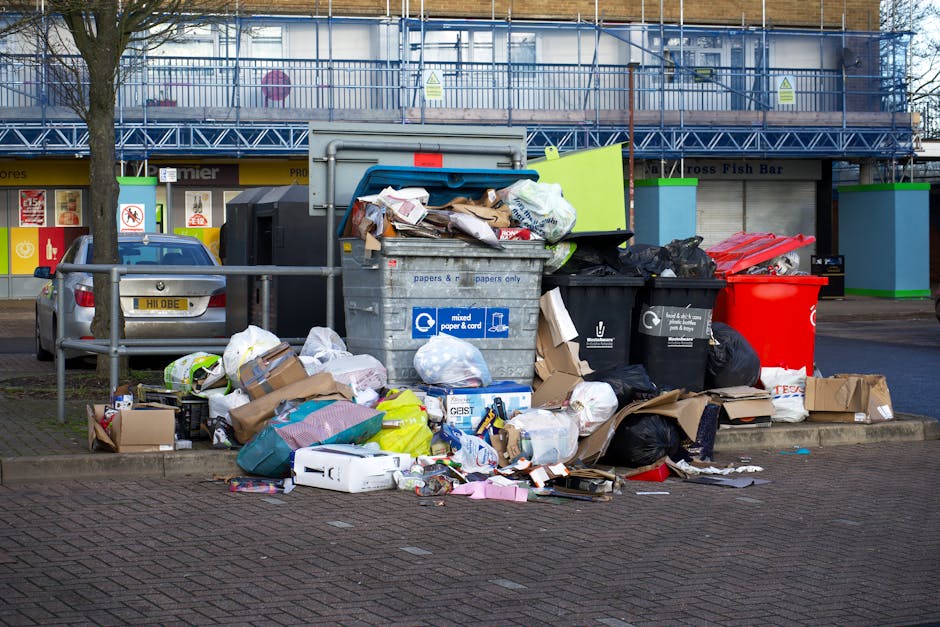
The Glades retail rubbish collection guide for Bromley shops
If you run a shop near The Glades, you already know the drill: stock arrives, packaging piles up, cardboard somehow multiplies overnight, and then there is the awkward bit nobody enjoys talking about - what to do with all the rubbish. This The Glades retail rubbish collection guide for Bromley shops is here to make that part simpler. Whether you are dealing with daily retail waste, bulky packaging, old display units, or one-off clear-outs after a refit, the goal is the same: keep your shop tidy, safe, and running without the usual headache.
Retail waste is not just "stuff to throw away". It affects how customers see your store, how smoothly your team works, and whether you stay on the right side of waste handling responsibilities. In a busy shopping area, that matters more than people think. Let's make it practical.
Table of Contents
- Why The Glades retail rubbish collection guide for Bromley shops Matters
- How The Glades retail rubbish collection guide for Bromley shops Works
- Key Benefits and Practical Advantages
- Who This Is For and When It Makes Sense
- Step-by-Step Guidance
- Expert Tips for Better Results
- Common Mistakes to Avoid
- Tools, Resources and Recommendations
- Law, Compliance, Standards, or Best Practice
- Options, Methods, or Comparison Table
- Case Study or Real-World Example
- Practical Checklist
- Conclusion
- Frequently Asked Questions
Why The Glades retail rubbish collection guide for Bromley shops Matters
Retail waste builds up fast. One busy morning can leave you with broken cartons, plastic wrap, damaged stock, takeaway cups from staff, old hangers, and half a roll cage of cardboard that nobody wants to deal with after closing. Around The Glades, where footfall and pace are part of everyday trading, unmanaged rubbish quickly becomes more than an inconvenience.
It affects the customer experience first. A neat storefront feels calm and professional; overflowing bags and stacked boxes do the opposite. Then there is the operational side. Staff waste time moving things around, storage space gets eaten up, and back-of-house areas become cluttered. Truth be told, clutter spreads. One corner becomes two, and suddenly the staff room is carrying the burden of last Tuesday's deliveries.
There is also the reputational angle. Shoppers may not know your waste contractor, but they absolutely notice if bin storage is messy or if collections are unreliable. For shops near a major retail centre, that first impression really matters. A good collection process keeps the trading environment tidy and helps the business feel organised, even on hectic days.
If your shop generates broader commercial waste streams, it may help to compare your needs with a more general business waste removal service. And if the waste is mixed, bulky, or changing from week to week, a flexible waste removal option can be a better fit than trying to force everything into one rigid routine.
Expert summary: Retail rubbish collection works best when it is treated as part of store operations, not as an afterthought. The cleaner the back-of-house process, the smoother the front-of-house experience.
How The Glades retail rubbish collection guide for Bromley shops Works
At a practical level, retail rubbish collection is about separating, storing, and removing waste in a way that suits a shop's trading pattern. The exact setup depends on what you sell, how much packaging comes in, whether you have staff on site all day, and how much storage space you can spare. A small independent boutique will need something quite different from a convenience store or a fashion retailer with constant deliveries.
The process usually starts with a waste audit, even if it is informal. What are you throwing away most often? Cardboard? Soft plastic? Food waste from staff areas? Broken shelving? Old mannequins? Once you know the main streams, collection becomes easier to plan. That is where waste gets manageable instead of mysterious.
In the retail setting, collections are often arranged around opening hours, delivery windows, and loading access. Shops near busier high-street routes may prefer early-morning or late-day collections so waste does not interfere with customers. If your rubbish includes heavier or awkward items, a more hands-on service such as builders waste clearance can be useful after shopfitting, shelving work, or minor refurbishment.
And if your stockroom doubles as a storage jungle - we have all seen one - sometimes a broader clearance is needed to reset the space properly. In those cases, office clearance style support can be surprisingly relevant for back offices, admin rooms, and mixed-use retail premises.
Typical retail waste handling involves:
- sorting recyclable and non-recyclable waste
- keeping storage areas dry, secure, and easy to access
- booking collections before overflow becomes a problem
- handling bulky items separately from daily rubbish
- making sure any specialist waste is kept apart from general waste
The important bit is consistency. A one-off tidy-up helps, yes. But a system helps more.
Key Benefits and Practical Advantages
There are obvious benefits to better rubbish collection, and a few that are easy to overlook until things go wrong. The big one is simply keeping the shop running smoothly. If staff are not dodging cardboard towers every time they go to the stockroom, they can get on with serving customers. Simple, but powerful.
Here are the main advantages:
- Better presentation: Customers see a cleaner shopfront and a more professional operation.
- More usable space: Stockrooms, service corridors, and staff areas stay clearer.
- Lower safety risks: Less clutter means fewer trip hazards and fewer blocked access routes.
- Faster restocking: Staff can reach products and storage without shifting piles of waste first.
- Improved recycling: Sorting cardboard, packaging, and reusable items is easier when collection is organised.
- Less stress: Nobody wants to discover a bin overflow at 8:45 on a Saturday morning.
There is also a commercial angle that people underestimate. A tidy, organised shop is easier to manage during sales periods, seasonal stock changes, and window-display swaps. Those moments tend to create a little waste surge. If collections are already under control, the team can focus on trading rather than emergency clean-ups.
For shops with furniture, display fixtures, or old stock fixtures to dispose of, furniture disposal and furniture clearance are worth considering. That is especially true when a refit leaves you with awkward items that are too large for ordinary waste routes. We have seen more than one shop try to "just deal with it later" and end up losing half a day to the problem. Later rarely turns up, does it?
Who This Is For and When It Makes Sense
This guide is for Bromley shop owners, managers, supervisors, franchise operators, and anyone who has to keep a retail site orderly without getting buried in packaging. It also helps if you are responsible for multiple locations and need a repeatable approach rather than improvising every week.
It makes sense if your business falls into any of these patterns:
- you receive regular deliveries with large amounts of cardboard or wrapping
- you have limited storage space behind the till, in the stockroom, or at the rear of the unit
- you run a seasonal retail operation and waste volumes change month by month
- you are moving premises or refurbishing your shop
- you need discreet, prompt removal so customers are not walking past piled-up waste
- you handle broken fixtures, damaged packaging, or stock that cannot be resold
It is especially relevant for shops that sit in or around busy retail zones, where access matters and there is little room for waste to spill into customer-facing areas. A small amount of poor planning can create a lot of visible mess very quickly. And in retail, visible mess is never just mess. It becomes part of the brand whether you like it or not.
If your site is part retail and part office, you may also want to review insurance and safety considerations for staff handling waste, and the business's wider health and safety policy so procedures are consistent across teams.
Step-by-Step Guidance
Here is a straightforward way to put retail rubbish collection on firmer ground without overcomplicating it.
- Map your waste streams. Write down the main types of rubbish your shop creates in a normal week. Cardboard, soft packaging, damaged goods, old fixtures, and any specialist items all need separate thought.
- Choose a storage point. Keep waste somewhere dry, secure, and close enough to the exit that staff will actually use it. If it is inconvenient, people will leave rubbish wherever they are standing. Human nature, really.
- Set a sorting routine. Decide what gets flattened, bagged, tied, separated, or stored for collection. Make it easy enough for new staff to follow on a rushed day.
- Match collection timing to trading hours. Early morning, post-close, or quieter midweek slots usually work best. The exact timing should avoid customer queues, deliveries, and foot traffic.
- Handle bulky items separately. Don't let a broken display stand sit in the stockroom for six weeks because it feels awkward to deal with. If the item is substantial, book a dedicated uplift.
- Review the system monthly. Waste patterns change. Seasonal stock, promotions, and refurbishments all affect volume. A system that worked in January may not fit December at all.
For mixed or hard-to-clear items, a broader waste removal arrangement can help keep things flexible. If your shop has fridge units, chilled displays, or old appliance stock, the dedicated fridge and appliance removal page is a useful reference point for those more awkward disposals.
One small but important point: ask staff to report overflow before it becomes visible to customers. That simple habit saves a surprising amount of friction.
Expert Tips for Better Results
The best retail waste systems are not the fanciest. They are the ones people actually follow.
Here are a few practical habits that make a real difference:
- Flatten cardboard immediately. It takes seconds and can halve the space it uses. If you wait until later, it becomes tomorrow's problem.
- Label bins clearly. Keep recycling, general waste, and specialist waste obvious. Nobody should need a debate before throwing something away.
- Use the right containers. Overfilled bags split. Loose rubbish gets kicked about. Small details, big mess.
- Train new starters properly. A five-minute briefing on waste handling is better than letting people guess.
- Keep an emergency clear-out route. If you suddenly need the back room emptied, know who to call and what can be removed.
- Pair rubbish collection with stockroom housekeeping. The two jobs support each other. If you clean one but not the other, the clutter sneaks back in.
Many retailers also find it helpful to review their recycling and sustainability approach. Not because it sounds nice on paper, but because better sorting usually means less waste sent down the wrong route and fewer unnecessary collections.
For items that contain sensitive information, such as old paperwork, customer records, or office printouts, confidential shredding is the safer option than tossing documents into general waste. It is one of those quiet little controls that prevents bigger headaches later. Boring, maybe. Useful, definitely.
Common Mistakes to Avoid
Most retail waste problems are not dramatic. They are repeated small errors that add up.
Here are the usual culprits:
- Waiting until bins are full. Overflow is the sign of a system that is already behind.
- Mixing bulky items with day-to-day rubbish. It makes collection slower and creates avoidable sorting issues.
- Ignoring staff access. If the waste point is awkward, people stop using it properly.
- Storing waste in customer view. It only takes one poorly placed stack of boxes to spoil a polished frontage.
- Assuming all waste can be handled the same way. Some items need special treatment, and forcing them into the wrong stream is asking for trouble.
- Skipping contractor checks. Retailers should be confident that the service they use is suitable for the waste type and site conditions.
One common oversight is appliance waste. Old under-counter fridges, chilled units, and similar items are not just "another bit of rubbish". They need the right handling. If your shop is replacing display equipment, check the details before the old unit sits behind the store humming away like a grumpy relic.
Another mistake is treating the stockroom as a permanent holding pen. A few boxes is fine. A month of decision-making delays? Not ideal.
Tools, Resources and Recommendations
You do not need a complicated toolkit to improve retail rubbish collection. In most shops, a few well-chosen items and clear procedures do the heavy lifting.
Useful things to have in place include:
- Clear bin labels for recycling, general waste, and special items
- Cardboard knives or safe cutters to flatten packaging quickly
- Robust bin liners that suit the size and weight of your waste
- Storage cages or designated collection points where space allows
- A simple waste log to track when collections happen and what fills up fastest
- Staff induction notes so the routine stays consistent across shifts
If your premises include a back office or management area, it may also help to look at office clearance support when papers, furniture, or redundant equipment begin to build up. For shops with storage-heavy layouts, a wider clearance approach is sometimes the neatest way to reset a crowded unit after a major change.
And if you are comparing services or want to understand how pricing is usually approached, the pricing and quotes page can help you think through what affects the overall cost. That tends to be better than guessing and hoping the number works out. Spoiler: guessing usually doesn't.
Law, Compliance, Standards, or Best Practice
Retail waste handling sits within standard UK commercial waste expectations, so it is worth keeping things tidy not just for appearance but for responsibility and safety. Without turning this into a law lecture, the sensible approach is to separate waste properly, store it securely, and use a service that can deal with the type and volume you create.
Best practice usually includes:
- keeping waste out of public access routes
- storing waste in a way that avoids leaks, pests, and obstruction
- segregating hazardous or specialist items from ordinary rubbish
- making sure staff know what goes where
- retaining a clear record of arrangements where appropriate
If your waste includes items that may be hazardous, sharp, contaminated, or electrically sensitive, use caution and separate them early. The dedicated hazardous waste disposal page is a sensible place to start when the waste is not straightforward. Better to pause and sort it properly than to improvise. Nobody wants a small mistake turning into a bigger one on a Tuesday afternoon.
For shops that want to understand the boundaries of skip-style disposal, what can go in a skip is a useful reference. It helps set expectations about what is suitable for bulk disposal and what may need an alternative route.
One final compliance note: if staff are lifting boxes, moving waste bags, or handling bulky items, keep health and safety front of mind. Safe handling is boring in the best possible way. Nothing dramatic. Just fewer accidents.
Options, Methods, or Comparison Table
Different shops need different waste solutions. The right method depends on volume, space, collection frequency, and whether items are ordinary retail waste or something heavier and more awkward.
| Method | Best for | Advantages | Limitations |
|---|---|---|---|
| Regular mixed retail collections | Day-to-day shop waste and packaging | Simple, predictable, easy for staff to follow | Less suitable for bulky or unusual items |
| Flexible waste removal | Changing volumes, one-off clear-outs, mixed waste | Adaptable, useful when needs vary | May need planning if volumes spike suddenly |
| Dedicated bulky-item clearance | Fixtures, damaged displays, refit waste | Handles awkward items cleanly and quickly | Not ideal for routine daily rubbish |
| Specialist handling | Hazardous, confidential, or appliance-related waste | Safer and more appropriate for sensitive items | Requires proper sorting and attention to detail |
In practice, many Bromley shops use a blend of methods. That is perfectly normal. A regular weekly routine might cover packaging and general waste, while a separate call handles a stockroom clear-out or old equipment. There is no prize for forcing everything into one system if it does not fit.
Case Study or Real-World Example
Picture a mid-sized fashion shop near The Glades after a seasonal stock refresh. New rails arrive in the morning, old packaging starts filling the back room by lunchtime, and the team discovers two broken mannequins from last season sitting behind the fitting rooms. Not glamorous. Very real.
At first, the staff try to keep everything in one place "until the weekend". By Thursday, the stockroom is crowded, access is awkward, and the delivery driver has to squeeze past boxed-up waste to drop off new stock. It is one of those situations where everyone is a bit annoyed and nobody is entirely sure who moved the boxes last.
The turnaround came from three changes: flattening cardboard as soon as it was unpacked, separating the broken display items from normal waste, and arranging a clear uplift before the weekend rush. The store did not need a huge overhaul. It just needed a process that matched how the shop actually worked. After that, staff spent less time shuffling rubbish around and more time serving customers. Which is, frankly, the point.
That same approach works for smaller independent shops too. A careful routine beats a heroic clean-up every time.
Practical Checklist
Use this quick checklist to keep your retail rubbish collection on track.
- Have you identified your main waste types?
- Is there a clear place for cardboard, general waste, and bulky items?
- Are waste areas easy for staff to access safely?
- Do collections happen before overflow becomes visible?
- Are staff trained on what goes where?
- Do you separate appliances, confidential paper, and hazardous items if needed?
- Have you reviewed whether your current collection routine still suits your trading pattern?
- Do you know who to contact when you need a one-off clearance?
- Is your waste storage out of customer view?
- Have you looked at your broader sustainability and recycling approach?
If you can tick most of those off, you are already ahead of many shops that just "manage somehow". And managing somehow is usually where the mess starts.
Conclusion
The easiest way to think about retail rubbish collection is this: if the waste system supports the shop, it becomes invisible in the best possible way. Staff know what to do, customers do not see the mess, and trading keeps moving without constant interruptions. That is what good waste handling looks like.
For Bromley shops near The Glades, the real win is not only tidiness. It is time, space, safety, and a calmer working day. Whether you are dealing with packaging every morning, a refit once a season, or a stubborn stockroom that needs clearing out, the right approach saves a lot of hassle. And honestly, a lot of bin-related frustration too.
If you are ready to improve your shop's waste routine, start with the waste types you actually produce, then build a collection plan around them. Small changes first. That is usually enough to make a big difference.
Get a free quote today and see how much you can save.
Frequently Asked Questions
What does retail rubbish collection cover for Bromley shops?
It usually covers everyday shop waste such as cardboard, packaging, general rubbish, and occasional bulky items from stock changes, refits, or damaged fixtures. The exact scope depends on your shop's waste stream.
How often should a shop near The Glades arrange rubbish collection?
That depends on trading volume, storage space, and delivery frequency. Busy stores often need regular collections, while smaller shops may be fine with a lighter schedule and occasional clear-outs.
Can cardboard and packaging go in the same collection?
Sometimes yes, but it is better to keep recyclable materials separate where possible. Flattening cardboard and sorting packaging properly usually makes collections more efficient and cleaner.
What should I do with broken shop fittings or display units?
Those items are usually best handled as bulky waste rather than regular day-to-day rubbish. If they are large, awkward, or numerous, a dedicated clearance is usually the simplest option.
Is retail waste different from office waste?
There is overlap, but retail waste often includes more packaging, customer-facing clutter, and stock-related rubbish. If your premises also have an admin area, office-style clearance can be relevant for that part of the business.
How can I stop waste areas from getting messy?
Use clear labels, flatten cardboard straight away, keep storage points convenient, and make sure collections happen before overflow becomes visible. Small routines make a big difference.
What if my shop has confidential paperwork to dispose of?
Confidential documents should be kept separate from general waste and handled through a secure shredding route. Mixing them with regular rubbish is not a good idea.
Can appliance waste be included with standard rubbish?
Usually not. Fridges, chilled units, and similar appliances often need a separate handling route, especially if they contain components that should not go into ordinary waste.
How do I know whether I need a skip or a waste removal service?
It depends on what you are throwing away, how much space you have, and whether the waste is straightforward. If you are unsure, it helps to review what can go in a skip and compare that with a flexible removal option.
What are the main compliance risks for shop waste?
The biggest risks are poor segregation, unsafe storage, blocked access routes, and mishandling specialist waste. Keeping waste separated and stored sensibly goes a long way.
Can waste collection be arranged around opening hours?
Often yes. Many shops prefer collections before opening or after closing so customers are not disrupted and staff can work without congestion at the front or rear of the unit.
Where should I start if my waste routine is already out of hand?
Start by identifying the biggest waste types, then clear the worst bottleneck first. In many shops, that means cardboard and bulky packaging. Once that is under control, the rest becomes much easier to manage.